Why the value of blue IOR is higher than the red hue?

Forum Archive Why the value of blue IOR is higher than the red hue?

Viewing 5 posts - 1 through 5 (of 5 total)
  • Author
    Posts
  • #17361
    Juan M Muñoz
    Participant

      This question might be related with physics but, is there any explanation why the value in the Index Of Refraction in the blue hue is higher than the red one? Edit: I corrected the answer, in the first question asked I changed red with blue.

      #83499
      Martin Bergwerf
      Participant

        Light is extremely complicated, but to give a few vague, suggestive ideas:

        Blue light has a higher frequency (lower wavelength) and gets refracted less…

        If you shoot a billiard ball really fast, it tends to keep its original direction more, when it hits another ball, than when it starts with a low velocity…

        The sky is blue, because the red light gets bent more, when colliding with small particles in the air…

        #83500
        Juan M Muñoz
        Participant

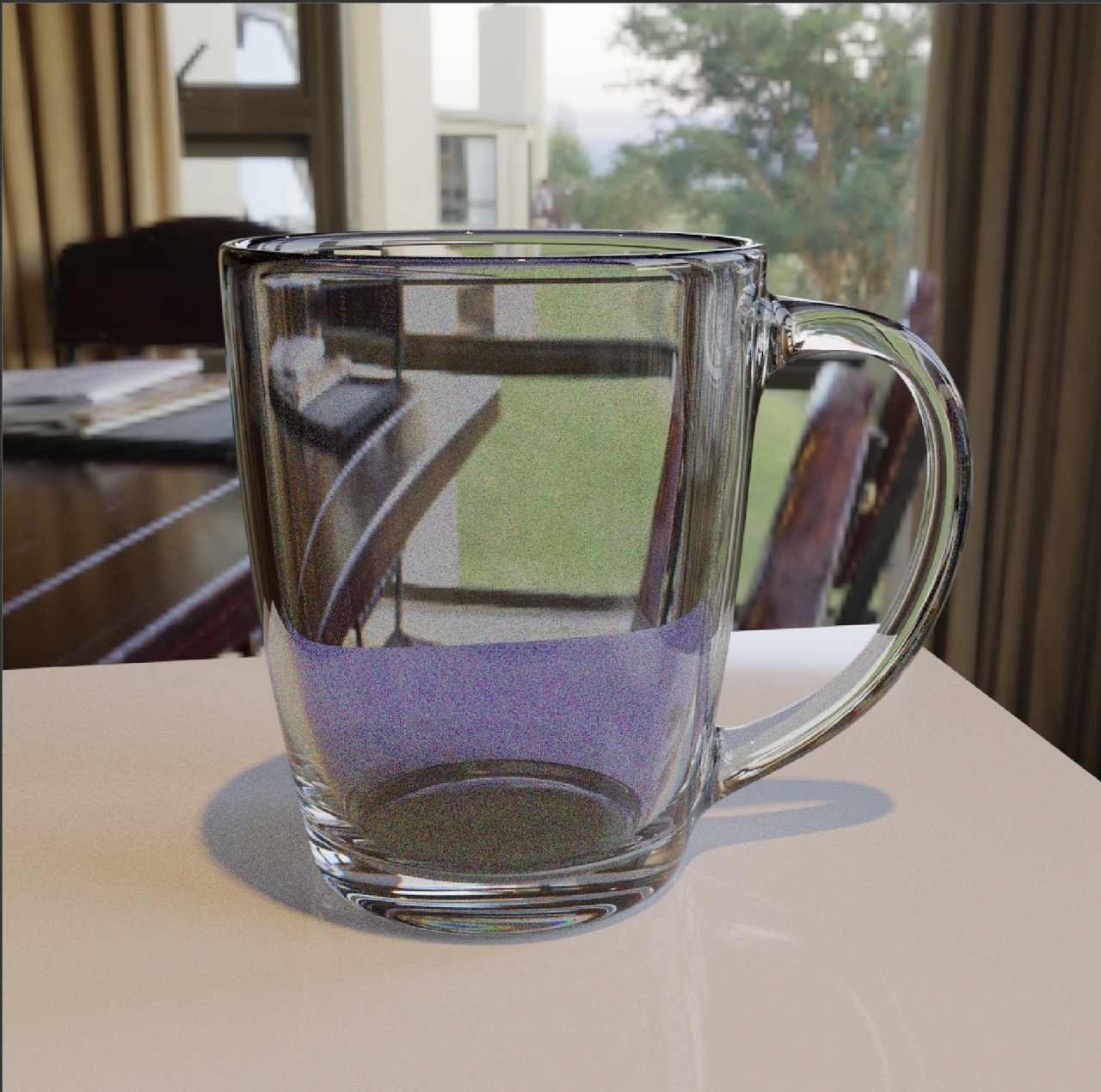
          Then this raise the question, how can I get rid of that purpl-ish tint of the glass?

          Nodes_Glass.pngGlass_Material.jpg

          #83501
          Juan M Muñoz
          Participant

            Also, sorry, I phrased it wrong: The IOR is less in the red that in the blue color (that’s why we substract from red and add in blue), as you can see attached in the former response. So blue is refracted more than red as I understand it, no? Probably this has to do with the human visible spectrum (we don’t see infrarreds nor UV, both related with the red wavelenth). Correct me if I am wrong!

            #83502
            Martin Bergwerf
            Participant

              Hi Juan,

              you were correct both times, the IOR in blue is higher than in red, which is the same as the IOR is less in red than in blue…

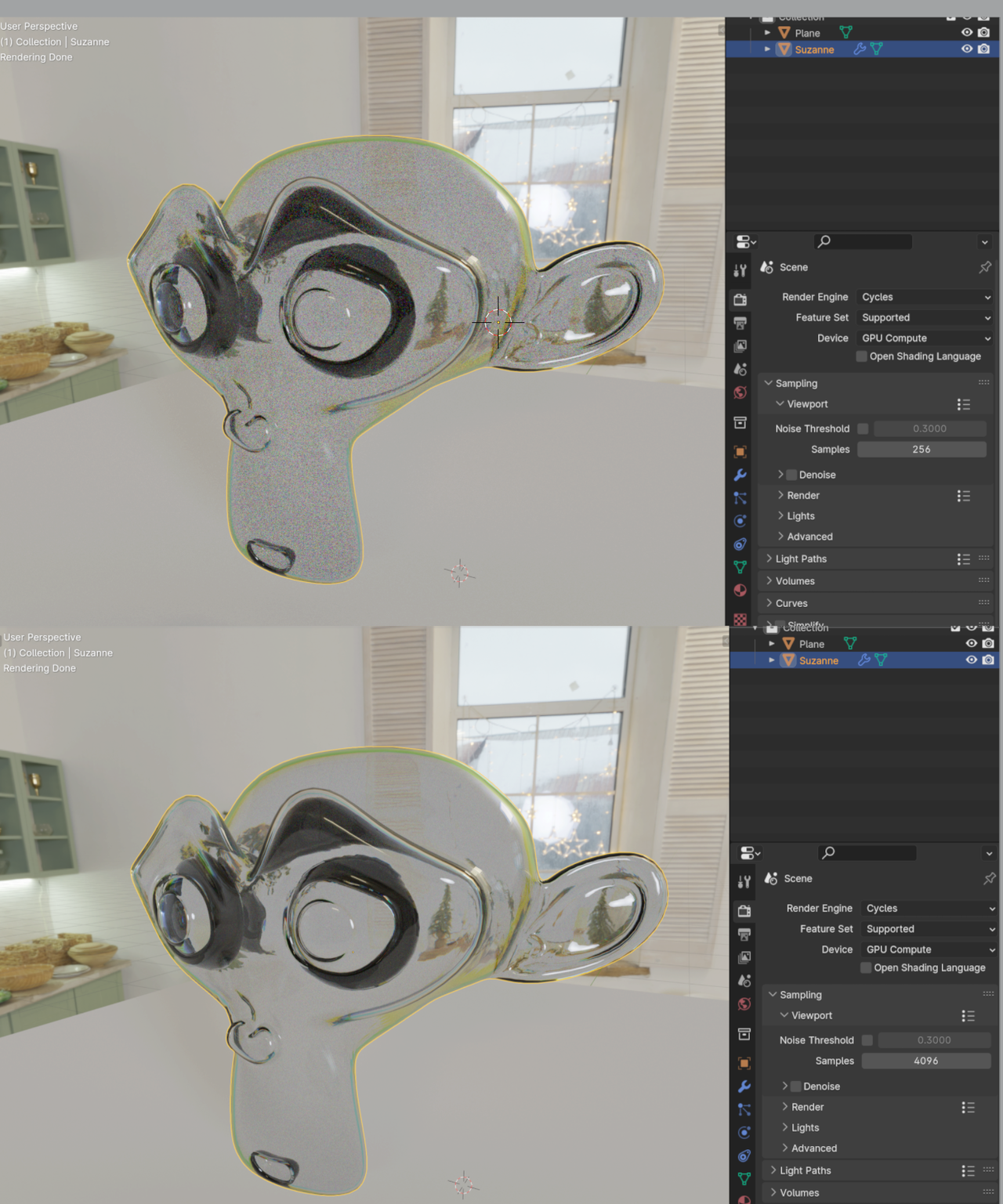
              The purplish color is mainly due to two things, the three IORs shouldn’t in reality be equidistant, as they are in this setup (you add and subtract the same value)…and you don’t have enough Samples in your screenshot…

              (not very visible in this compressed image, but less Samples give more noise and more purple):

              Samples.png

              I am also not entirely sure if all your Normals are correct…(they might be though)

            Viewing 5 posts - 1 through 5 (of 5 total)
            • The topic ‘Why the value of blue IOR is higher than the red hue?’ is closed to new replies.