
Reply To: Loops changing direction without poles
Forum Archive › Loops changing direction without poles › Reply To: Loops changing direction without poles

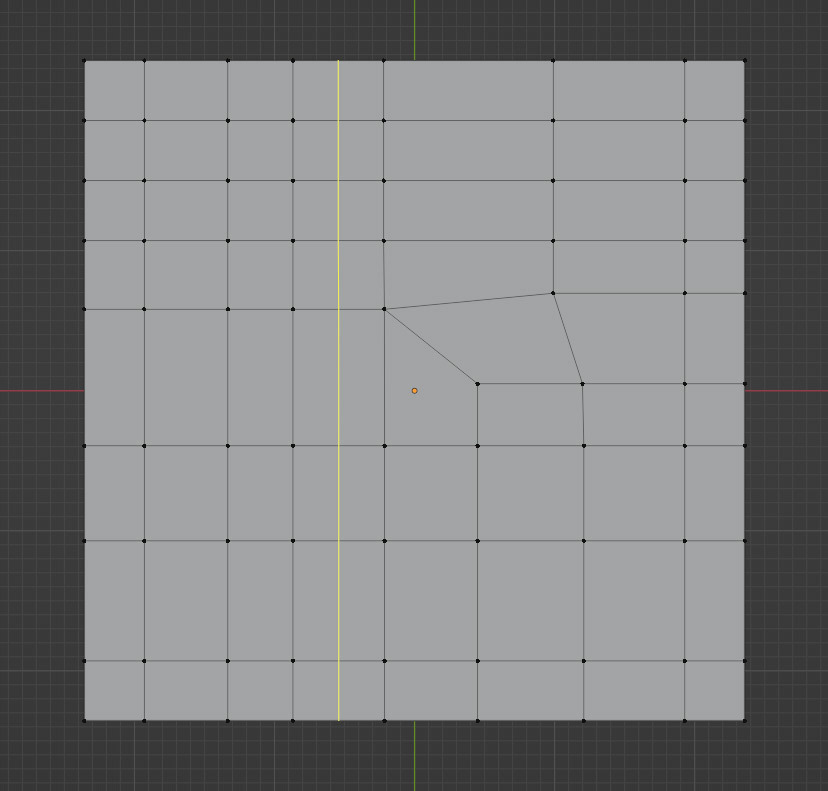
Hello Cristian. Yes, as Martin says, the direction change is not only visual per say. Those examples you have go straight, even though you visually see them distorted. If you ran an edge loop in your example, you would see how they go straight without turning. For example, you can see how in these sets of faces the loops runs straight:
But if you tried a loop on the other faces, it’ll turn instead of going straight:
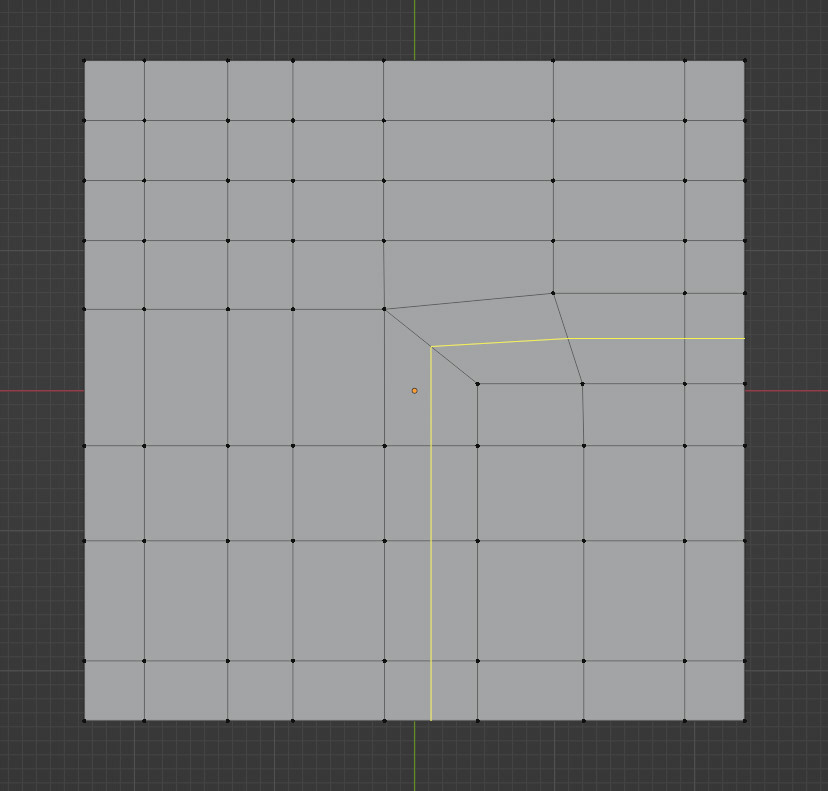
I mean, it could do this:
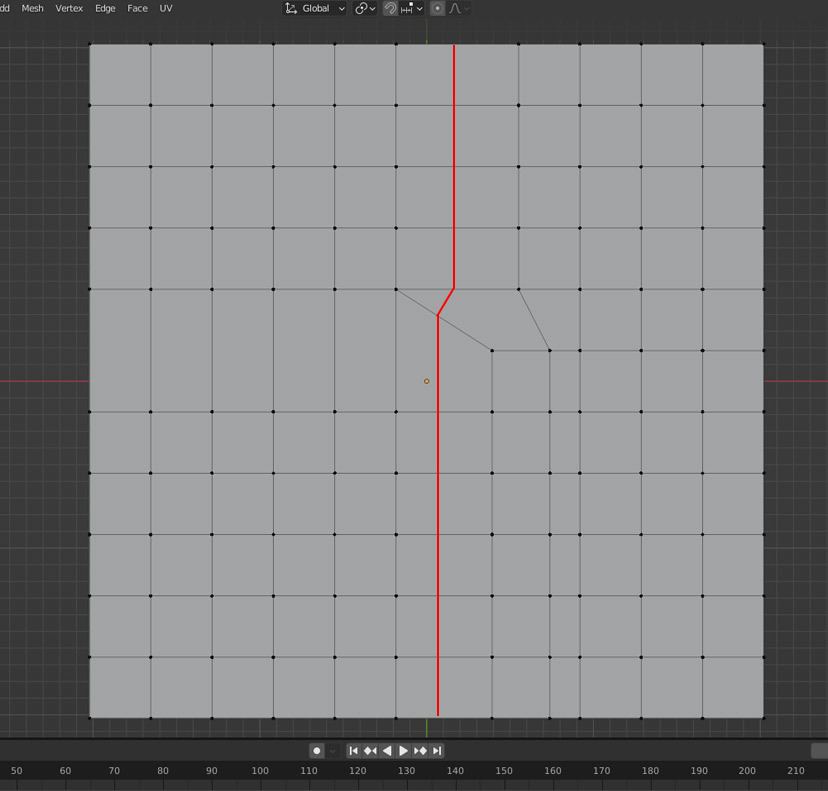
But it doesn’t go that way, it “turns”. There’s the pole, with 5 edges connected. We say turn, but it’s just that the faces the loop wants to go next happen to be that way.
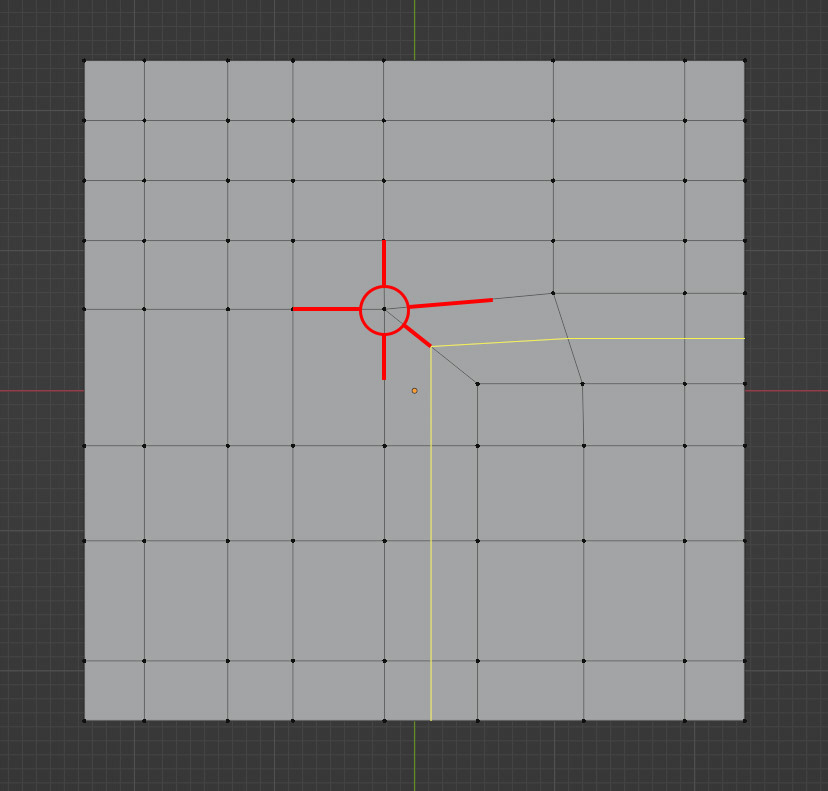
It’s clear there that it’s a change in direction, but I can take that same shape, not change anything and just move the vertices around and have it look more like a curve. It would seem like it’s straight, but there’s still a pole there, so it is actually changing direction:
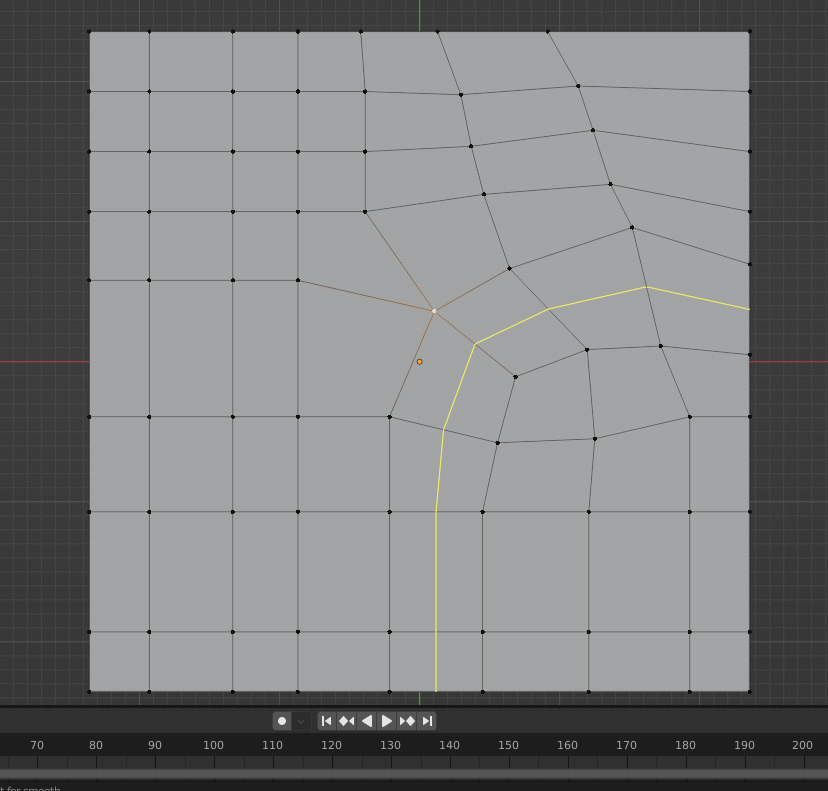
And this one, even though it visually looks as if it’s turning, it’s actually going straight, there’s no poles, the faces go one right after the other:
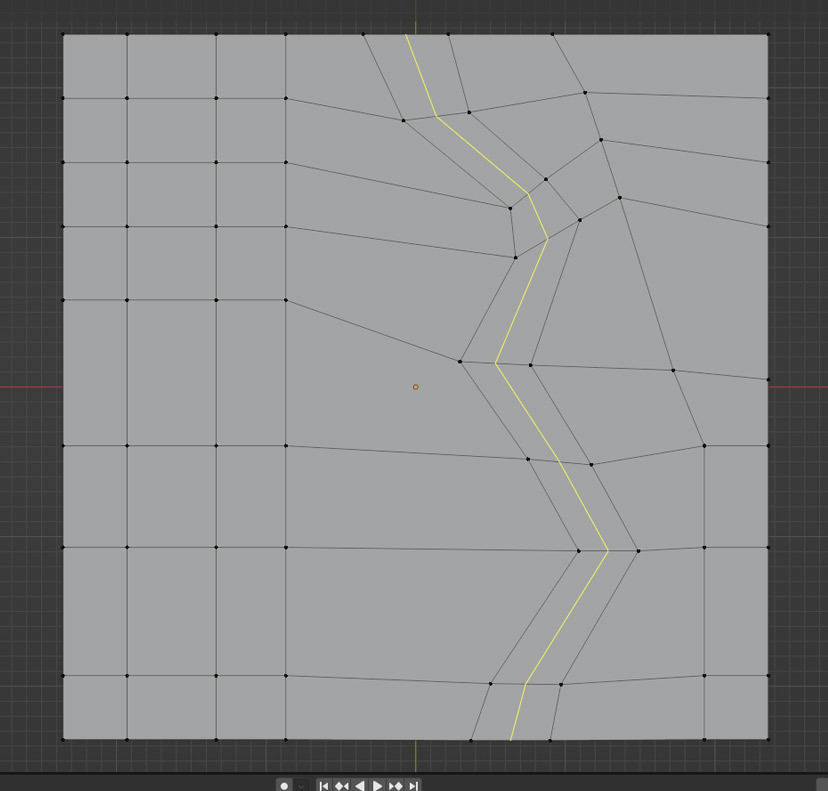
The loops is consistently going through each sets of faces in a straight line, not finding any poles that make it “turn”. It is not a visual thing, but more of how the loop behaves as it is finding it’s away through each faces.
Hope that helps. If you have further questions, don’t mind asking them.