
Reply To: Collab2021 – WIP – splat21
Forum Archive › Collab2021 – WIP – splat21 › Reply To: Collab2021 – WIP – splat21

@splat21 Your questions are good in that there is a bit of a science to preparing a mesh for ideal sculpting, for which triangles are NOT the ideal; quads are ideal for multires sculpting. Triangles are ideal for an optimal real-time (game-ready) model.
So why did I say it was ok to multires on a triangulated base mesh? Because when a project is low on time you have to brute force your way to a good-enough result! In your case your triangulated mesh is great for a lo-poly model but not great for multires:
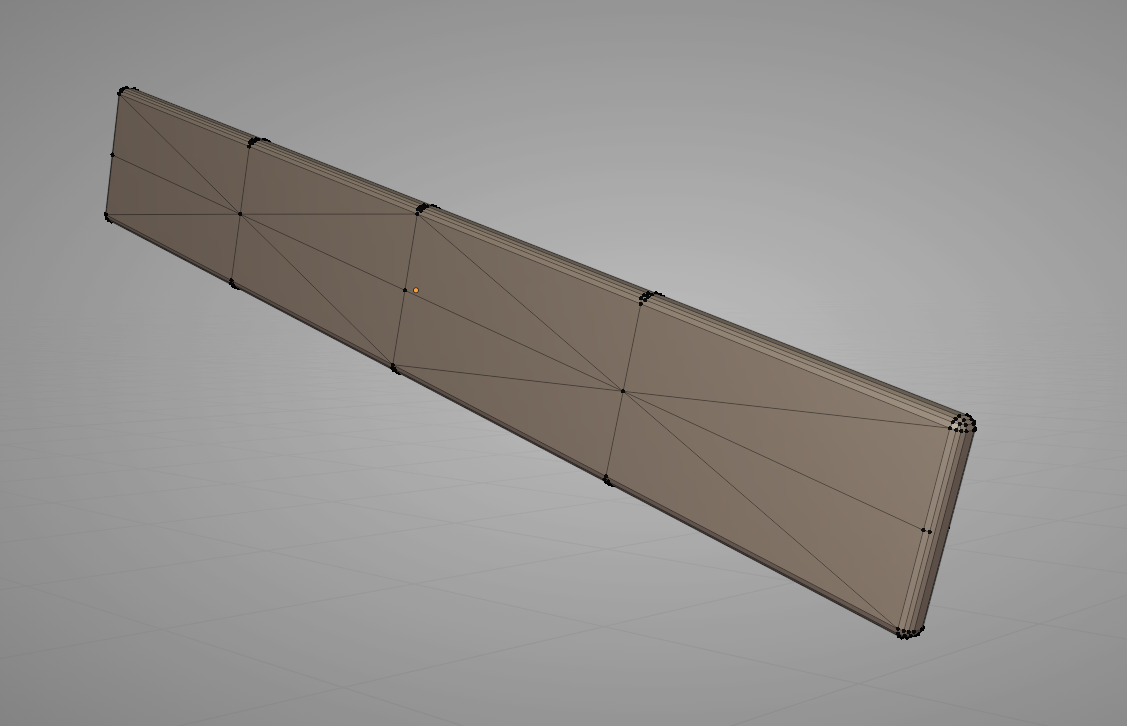
Even though subdivision mathematically will turn triangles into quads, the stretching of the geometry is present through each subdivision level:
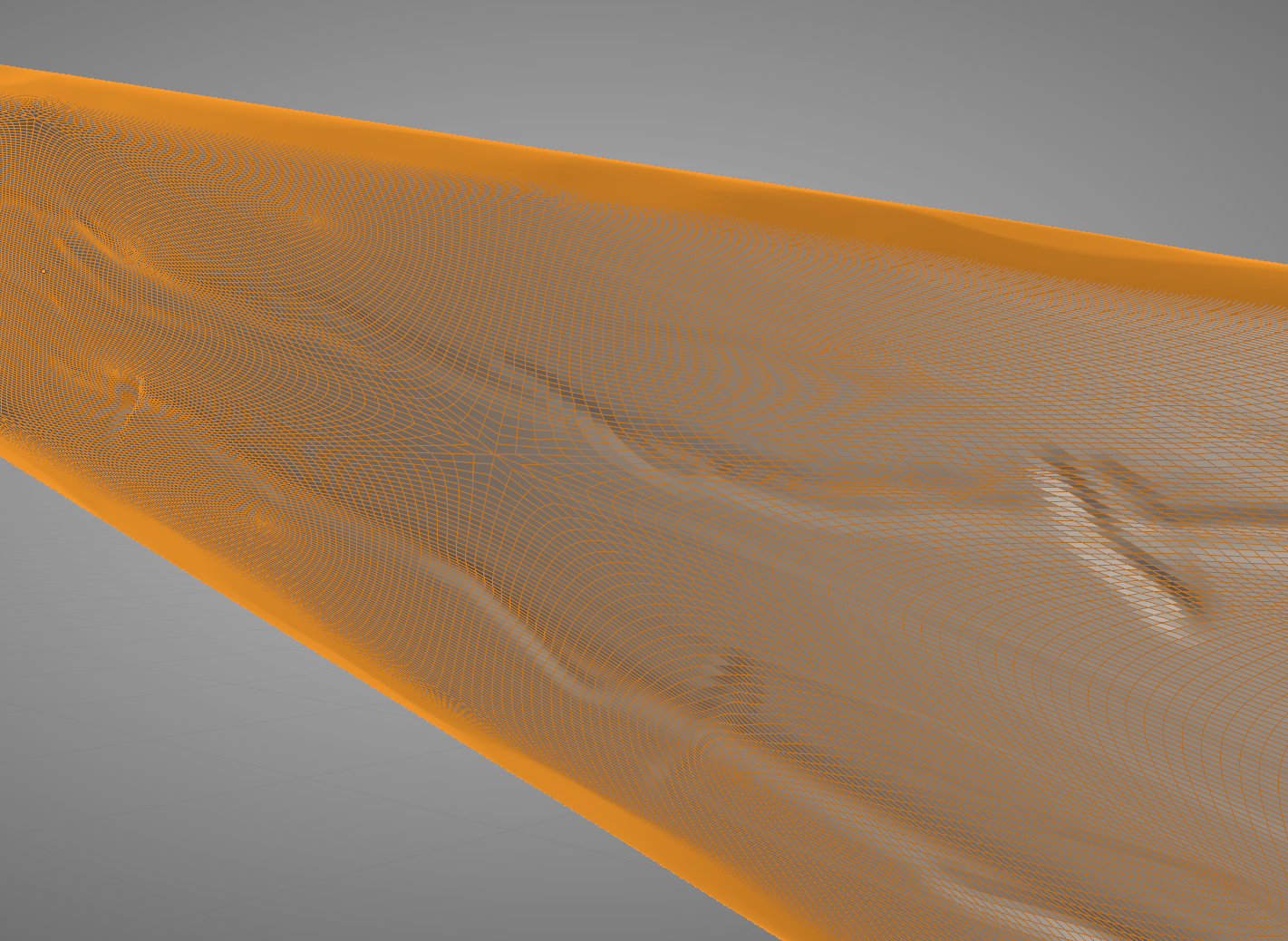
See how it’s all quads but their stretched toward the pole in the middle of the board? This means sculpting behavior will be stretched accordingly.
What’s the solution? Another subdivision level! And another if your PC can handle it. In other words the quick and dirty approach is to simply increase your sculpt’s poly count until the stretching problem is not visible. Of course this is not the most efficient way to work.
The most efficient, clean way to work would be duplicating your lo poly before sculpting, converting it to even quads and add multires to that.
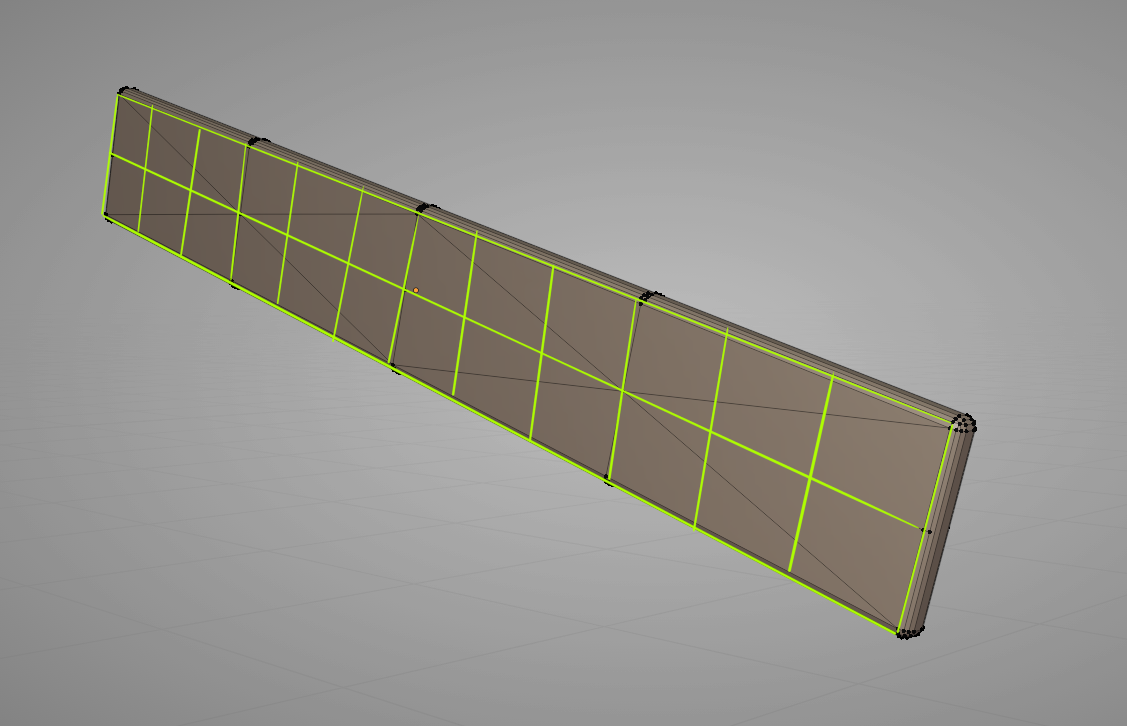
Note that this is ideal prep for multires sculpting but in my opinion it’s not ideal for baking textures. This way you have two separate models for baking which can work out fine. But I think the best baking comes from multires baking. I just think the math is more direct. So there’s always pros and cons to each method.
Hopefully that clarifies your questions about mesh structure for multires sculpting.